
By Ruth Tesfa: November 9, 2025
6–8-minute read
The Future of the BPO Industry in Ethiopia: Opportunities, Trends, and Growth
Ethiopia is emerging as one of Africa’s most promising destinations for Business Process Outsourcing (BPO). While other BPO destination countries have long dominated global outsourcing, Ethiopia is quietly building a competitive advantage through a combination of a young, multilingual workforce, strategic government policies, and expanding digital infrastructure.
As Addis Ababa continues to develop as a business hub, companies like ProxLink Solutions are leveraging these strengths to provide world-class outsourcing solutions to international clients. This article explores the current state of Ethiopia’s BPO sector, growth trends, future opportunities, challenges, and what the industry may look like by 2030.
1. The Current State of Ethiopia’s BPO Industry
Rapid Growth and Market Size
The Ethiopian BPO industry has experienced remarkable growth over the past decade. From a modest beginning with a handful of call centers, the industry now employs approximately 15,000 professionals across 25+ firms, generating over $50 million in annual revenue. (Addis Insight, 2025)
Forecasts indicate that the market could reach $490 million by 2025 and may approach $845 million by 2030, with an average annual growth rate of 11–12%. This demonstrates Ethiopia’s rising stature as a credible outsourcing destination in Africa.
Workforce Advantages
Ethiopia’s population is overwhelmingly young, with over 70% under the age of 30. This demographic advantage provides a skilled, tech-savvy, and adaptable workforce, fluent in English and ready to take on customer support, data management, IT support, and knowledge process outsourcing (KPO) tasks.
Time Zone Advantage
Located on East Africa Time (UTC +3), Ethiopia provides optimal overlap with Europe and the Middle East, while allowing flexible coverage for North America and Asia through staggered shifts. This makes Addis Ababa an ideal location for international BPO operations requiring seamless communication.
2. Government Policies Driving BPO Growth
Ethiopia’s government has recognized the potential of BPO as a driver of job creation, foreign exchange earnings, and economic diversification. Key initiatives include:
a) Digital Ethiopia 2030
The Digital Ethiopia 2030 initiative is a strategic roadmap to transform the country into a digital economy. Its priorities for BPO include:
- Expanding ICT infrastructure and reliable internet connectivity
- Supporting tech parks and innovation hubs
- Promoting digital skills training and professional development
- Encouraging private-sector investment in outsourcing services
b) Investment Incentives
The government offers:
- Tax holidays and exemptions for IT and BPO companies
- Reduced import duties on technology and office equipment
- Simplified licensing processes for foreign investors
These policies reduce operational costs and make Ethiopia attractive to multinational outsourcing companies.
c) Workforce Development
Partnerships with universities, vocational schools, and private training centers ensure a steady pipeline of skilled employees. Programs focus on:
- English proficiency and communication skills
- Customer service excellence
- IT, data analytics, and software support
- Leadership and management for team leads
This investment in human capital is critical for sustaining high-quality service delivery in the global market.
3. Emerging Opportunities in the Ethiopian BPO Sector
a) Customer Support and Call Centers
Traditional BPO services remain the backbone of Ethiopia’s outsourcing industry. Companies in Europe, the Middle East, and North America are increasingly outsourcing:
- Customer service and helpdesk support
- Technical support for software and IT products
- Multilingual services (English, French, Arabic)
b) Knowledge Process Outsourcing (KPO)
Higher-value services are becoming more prevalent, including:
- Data analytics and market research
- Financial reporting and accounting
- Content moderation and digital marketing
KPO services position Ethiopia to compete beyond traditional BPO offerings, offering clients sophisticated solutions at competitive costs.
c) IT and Tech-Enabled Services
With growing digital infrastructure, Ethiopian firms are increasingly providing:
- IT support and software services
- AI-assisted customer support
- Cloud-based solutions and managed services
These offerings expand Ethiopia’s role in global outsourcing, moving the industry into knowledge-intensive and tech-driven services.
4. The Role of AI and Automation
The global outsourcing landscape is rapidly evolving due to AI, machine learning, and automation. Studies suggest that up to 40% of traditional BPO tasks could be automated by 2030. In Ethiopia, this trend is creating opportunities and challenges:
- Routine tasks may become automated, reducing demand for low-skill roles
- Upskilling and reskilling programs are critical to prepare employees for high-value, tech-enabled roles
- BPO firms that adopt AI tools will gain a competitive edge in analytics, customer service, and back-office efficiency
Proactive adaptation to AI and automation will define the next generation of Ethiopian BPO leaders.
5. Challenges for the Future
Despite strong growth, Ethiopia must overcome key obstacles to achieve its BPO potential:
a) Infrastructure Limitations
- High-speed internet and reliable electricity are still being expanded
- Telecom reforms and private sector partnerships are critical to meet growing demand
b) Talent Development and Retention
- Continuous training is required to meet evolving client expectations
- Retaining skilled employees in a competitive market is increasingly important
c) International Visibility
- Ethiopia is still building its reputation as a global outsourcing destination
- Success stories, certifications, and quality frameworks will be essential to attract larger international clients
6. ProxLink Solutions and the Path Forward
ProxLink Solutions exemplifies how Ethiopian BPO companies are preparing for the future:
- Upskilling Programs: Continuous employee training in IT, customer support, analytics, and soft skills
- Global Client Alignment: Teams operate on flexible schedules to align with client time zones
- Tech Adoption: Incorporating modern tools, dashboards, and AI-enabled solutions to enhance productivity
- Scalable Operations: Ability to grow teams quickly during peak demand periods
By focusing on quality, innovation, and workforce development, ProxLink Solutions is at the forefront of Ethiopia’s BPO evolution.
7. Looking Ahead: Ethiopia’s BPO Industry in 2030
By 2030, Ethiopia’s BPO sector is expected to be:
- Significantly larger and more globally integrated, serving clients across continents
- Knowledge- and tech-focused, moving beyond basic call centers into analytics, IT services, and KPO
- Inclusive, providing jobs for youth and women in the growing digital economy
- A key economic contributor, generating foreign exchange and high-value employment
With continued government support, private sector innovation, and strategic workforce development, Ethiopia has the potential to become Africa’s leading BPO destination.
Conclusion
The future of the BPO industry in Ethiopia is bright. Strategic policies, digital transformation initiatives, a young and multilingual workforce, and global interest are converging to create an outsourcing ecosystem capable of competing at the international level.
Companies like ProxLink Solutions are leveraging these advantages to deliver world-class BPO services, from customer support to high-value tech-enabled solutions. For international clients seeking reliability, affordability, and quality, Ethiopia is no longer an emerging option—it is a strategic destination shaping the future of global outsourcing.
More articles from us

Expanding Opportunity for Youth and Women in Ethiopia
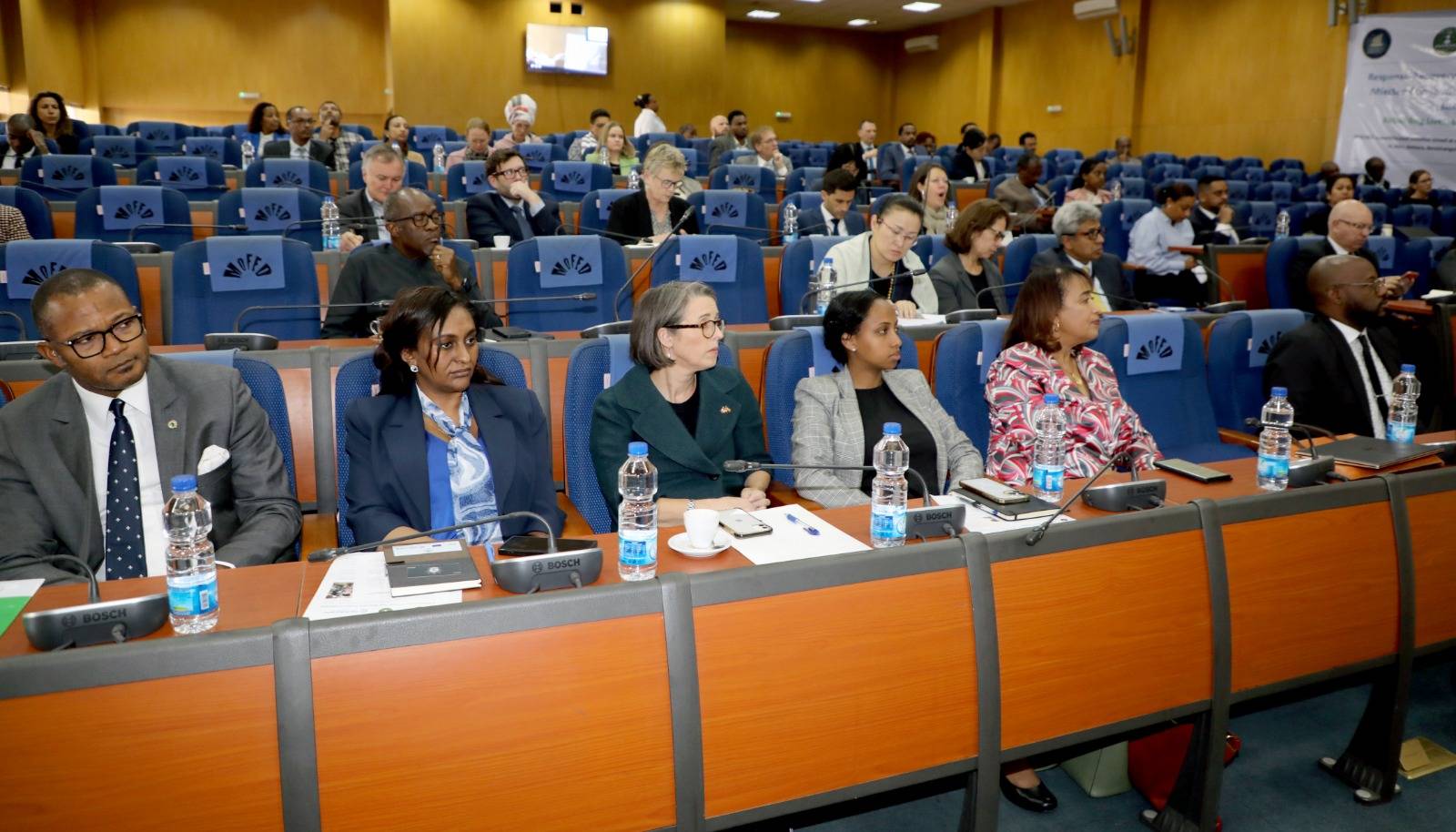
Why Ethiopia is Betting Big on BPO: Government Policies Fuel Outsourcing Growth

Case Studies: How International Businesses Succeed with Ethiopian BPO Services
